



Kitchen Hardware Explained: Handles, Hinges and the Details That Make a Kitchen Feel Considered
Handles and hinges are usually the last thing anyone thinks about when planning a kitchen, and often the first thing they notice once it is finished. Hardware is a small detail in terms of cost relative to the rest of a bespoke kitchen, but it has a disproportionate effect on how considered the whole space feels.
Why Hardware Matters More Than People Expect
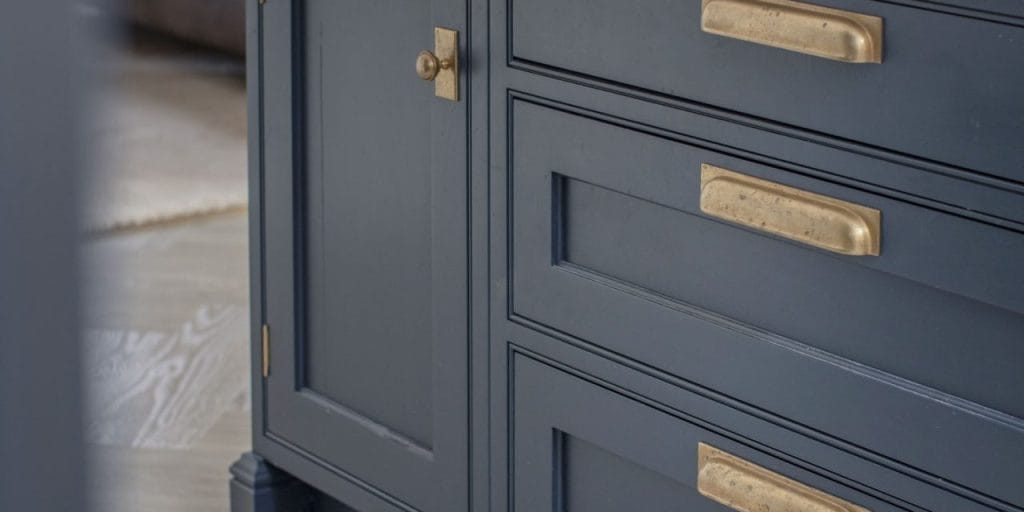
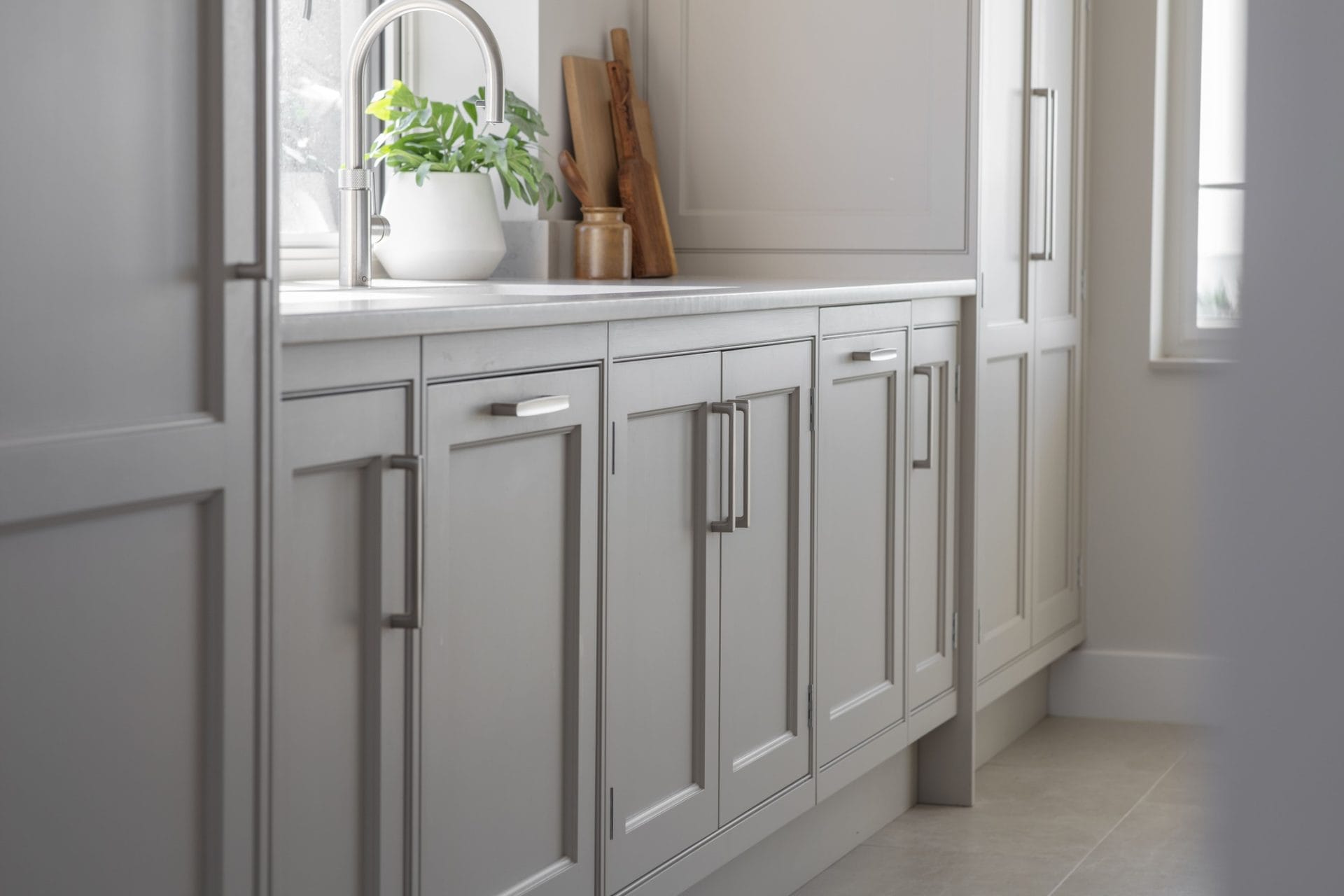
A handle is something you physically touch every single day, sometimes dozens of times before breakfast is even finished. Its weight, finish and shape register in a way that a worktop or a cabinet colour, which you mostly just look at, never quite does. Get it wrong, and even a beautifully designed kitchen can feel slightly unresolved. Get it right, and it becomes one of those details a client rarely mentions, simply because it never gives them a reason to notice it.
Handles vs Handleless: An Honest Comparison
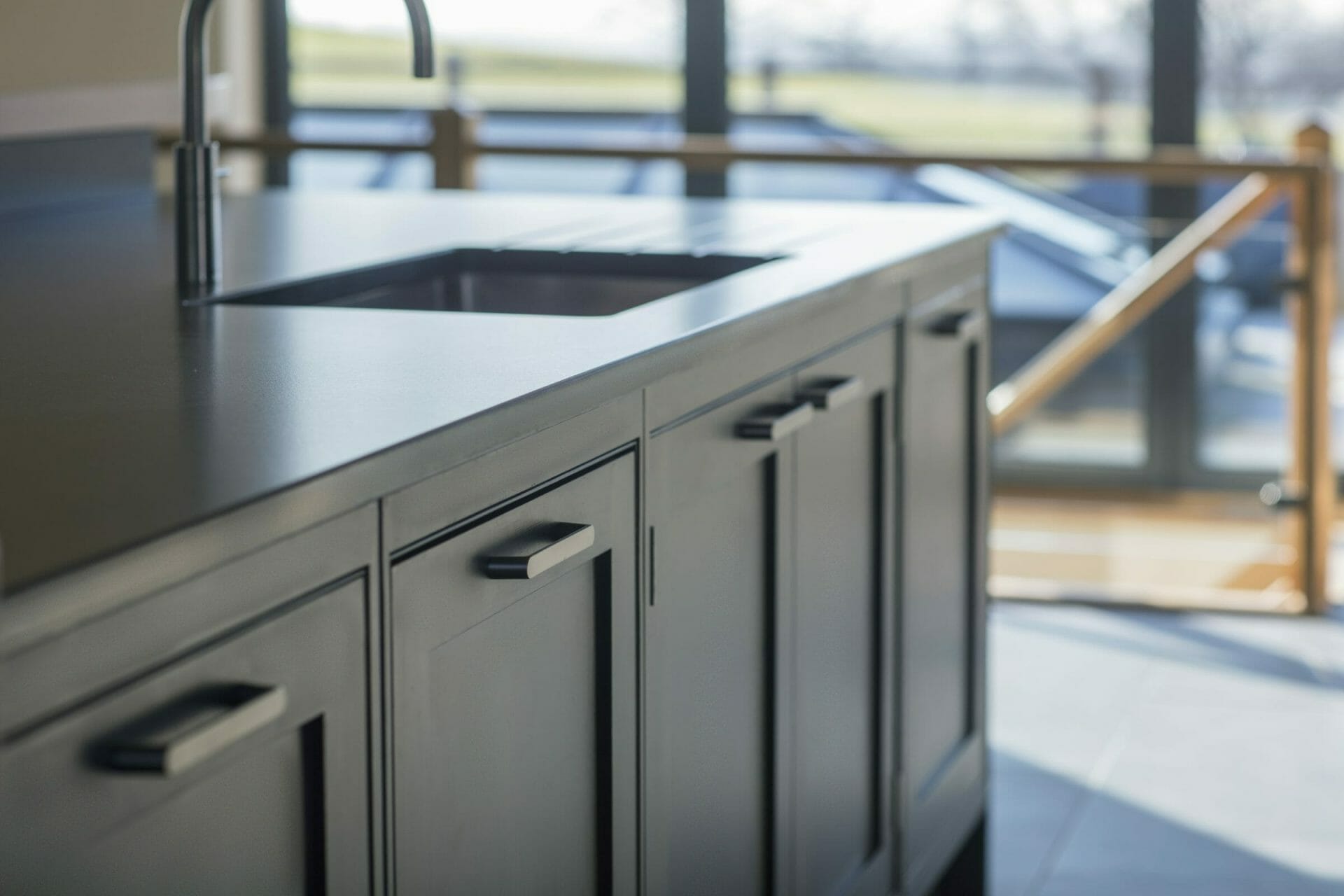
Handleless kitchens, where cabinets open via a groove, push mechanism or integrated rail, have become extremely popular for their clean, contemporary look. They suit a minimalist design well and remove visual clutter from a run of cabinetry. What they do not always suit is a family with young children, since push-to-open mechanisms can be less forgiving of sticky fingers and heavy-handed use than a traditional handle.
Traditional handles, on the other hand, offer more tactile feedback and are generally easier to use for anyone with limited grip strength, which is worth considering for clients planning a kitchen they intend to live in for the next twenty years, not just the next five.
Choosing a Finish That Lasts
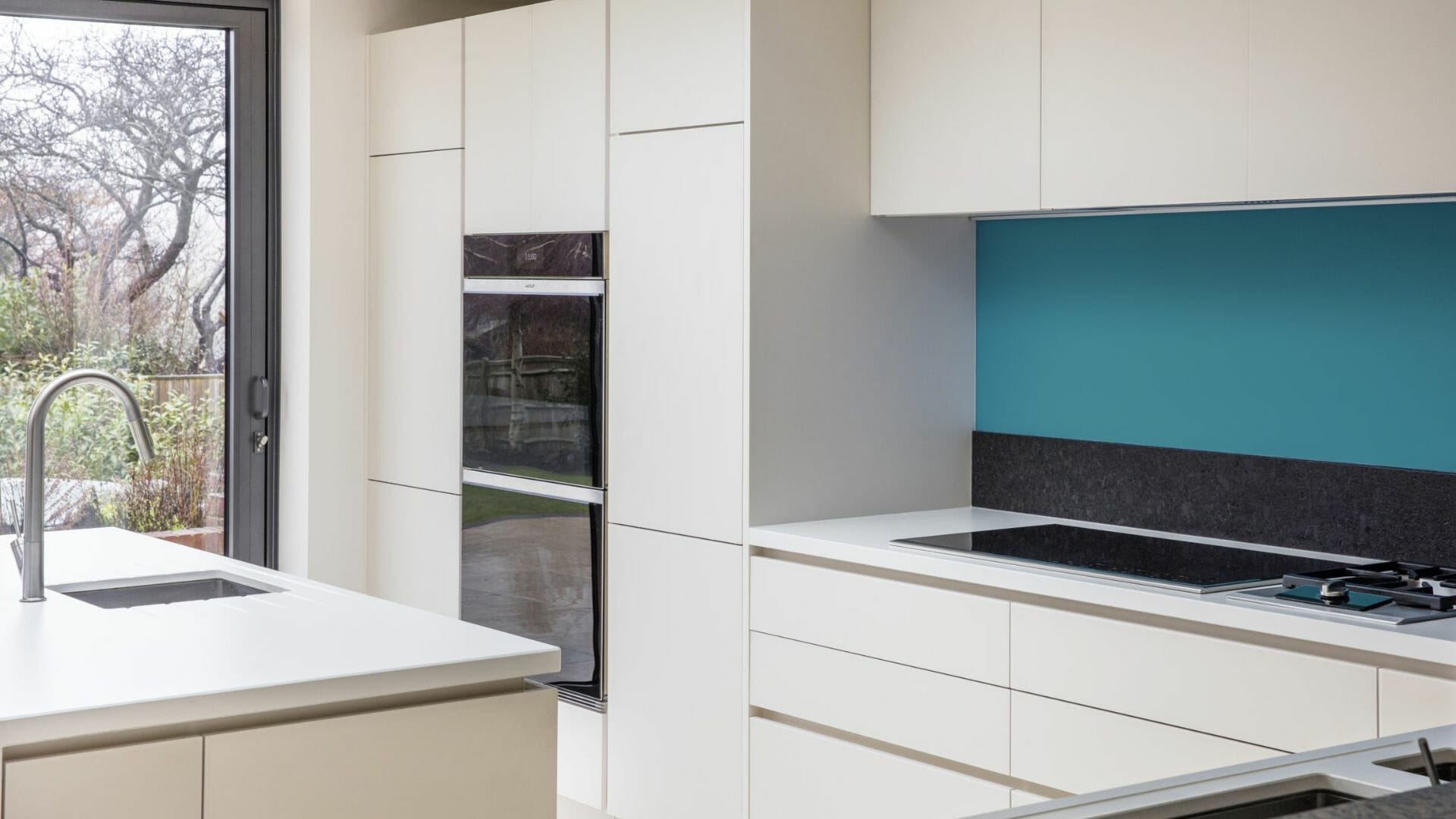
Finish matters as much as shape. Brushed brass and matt black have both had a long moment in kitchen design, but trends move faster than kitchens age. A finish chosen purely because it is fashionable this year can feel dated within five, while a finish chosen to genuinely suit the rest of the kitchen, the worktop, the flooring, the overall palette, tends to hold up far better over time. This is part of why hardware decisions are best made once the wider material palette has already been agreed, rather than picked in isolation from a supplier catalogue.
Hinges: The Detail Nobody Sees, Until It Fails
Hinges rarely get a mention in kitchen brochures, yet a poorly specified hinge is one of the most common sources of frustration in a kitchen a few years down the line, whether that is a soft-close mechanism that stops closing softly, or a door that begins to sag slightly out of alignment. Quality hinges, properly specified for the weight and size of each door, are one of those genuinely invisible details that only become visible when they are missing.
Getting the Scale Right
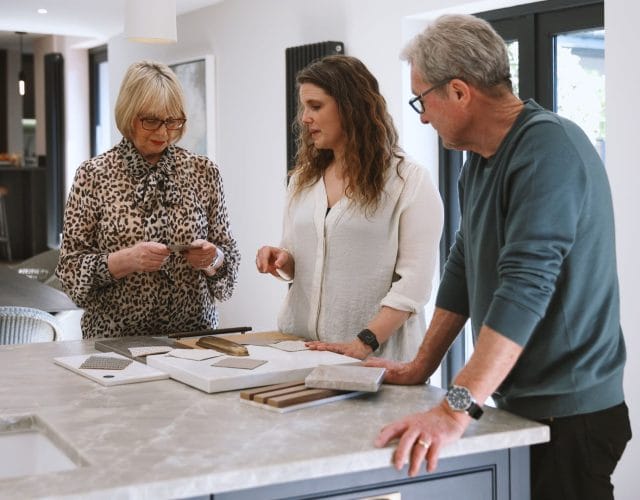
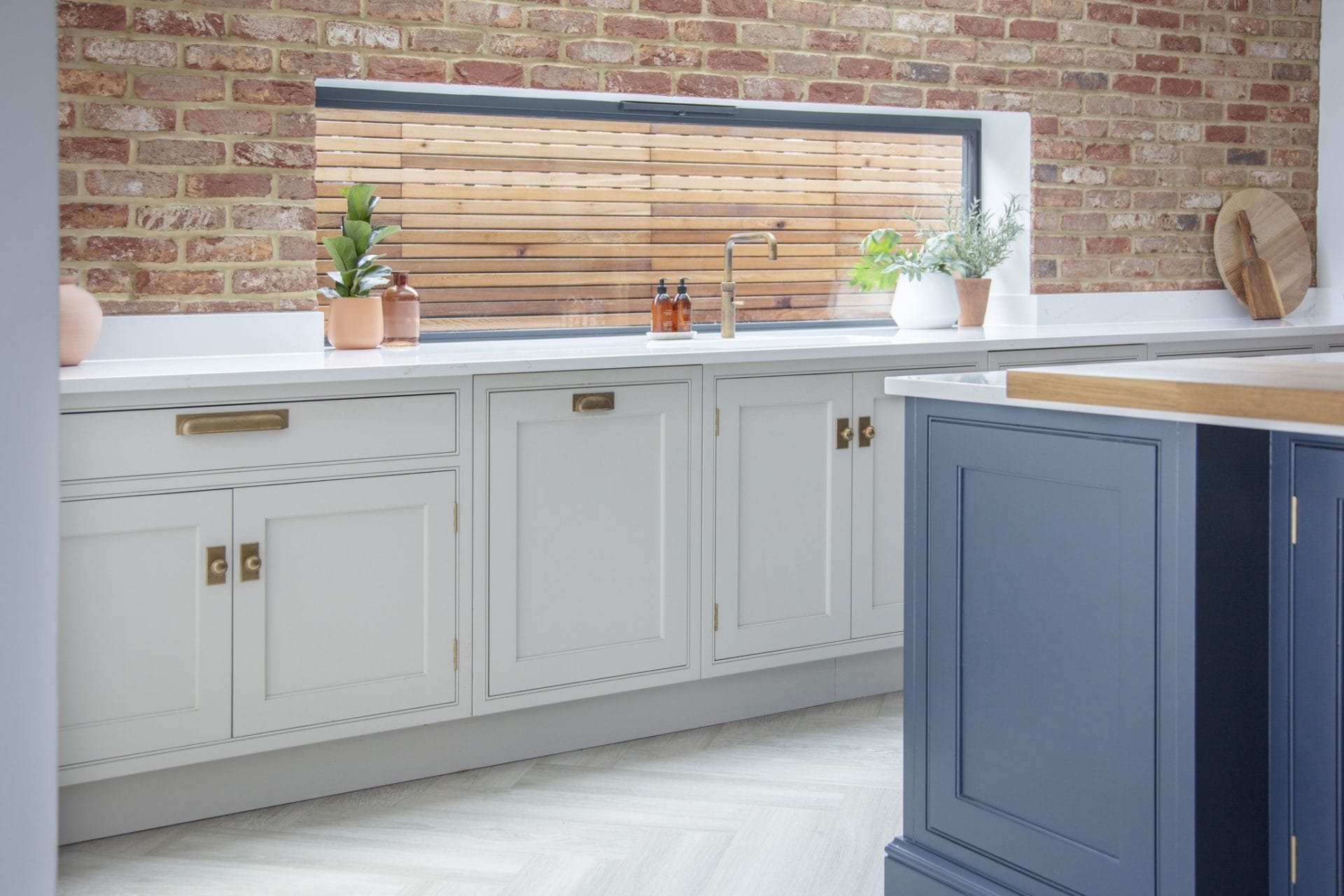
A handle that looks perfectly proportioned on a small sample door can look entirely wrong once fitted to a full-height larder unit. Scale is one of the easiest details to get wrong when working from a catalogue image rather than seeing hardware fitted to an actual cabinet of the correct size. This is one of the reasons we always encourage clients to view hardware samples fitted against real cabinet doors, in the same light their kitchen will actually sit in, rather than relying on a small sample chip alone.
How Hardware Fits Into the Wider Design
At Ashley Jay, hardware is chosen as part of the same conversation as cabinetry, worktop material and overall style, rather than as an afterthought once everything else has already been decided. It is a small enough decision that it is easy to leave until the end of a project, and exactly because of that, it is one of the details most likely to be rushed if it is not planned for properly from the start.
In Summary
Hardware is one of the smallest line items in a bespoke kitchen and one of the most noticeable once it is wrong. Choosing between handles and handleless, picking a finish built to last rather than one that is simply fashionable, and specifying hinges properly for the weight of each door, all contribute to a kitchen that feels genuinely considered, right down to the details you touch every day.
If you are working through material and hardware choices for your kitchen, talk to one of our designers about how it fits into your overall design.
Frequently Asked Questions
Is a handleless kitchen a good choice for a family with young children?
It can be, but push-to-open mechanisms are generally less forgiving of heavy-handed or sticky-fingered use than a traditional handle. It is worth discussing your household’s daily use honestly during the design process before committing to a fully handleless design.
Should I choose hardware based on current trends?
Not exclusively. A finish chosen purely because it is fashionable can feel dated within a few years, while one chosen to genuinely suit the wider material palette of the kitchen tends to age far better over the years you actually live with it.
Why do hinges matter if nobody can see them?
A poorly specified hinge is one of the most common sources of frustration in an older kitchen, whether that is doors sagging out of alignment or a soft-close mechanism that stops working properly. Quality, correctly specified hinges are a genuinely invisible detail until they fail.
Can I see hardware fitted to a full-size cabinet before deciding?
Yes, and we would always encourage it. A handle that looks well-proportioned on a small sample can look entirely different once fitted to a full-height unit, so viewing hardware against a real cabinet in proper lighting is genuinely worthwhile.
When should hardware be decided in the design process?
Hardware is best chosen once the wider material palette, cabinetry style and worktop have already been agreed, rather than picked in isolation. This ensures the finish and scale genuinely suit the rest of the kitchen.