


Classic vs Contemporary Kitchens: How to Decide Which Style is Right for You
It is one of the earliest questions in any kitchen project, and often the one that generates the most Pinterest boards: classic or contemporary? Both styles have genuine merit. Both can be done beautifully. And both, when done badly, can date in ways that are painful to live with.
At Ashley Jay Kitchens, we design across both, and we would always argue that the right answer is not about style preference alone. It is about your home, how you live, and what will still feel right in the years to come. Here is how we think about it.
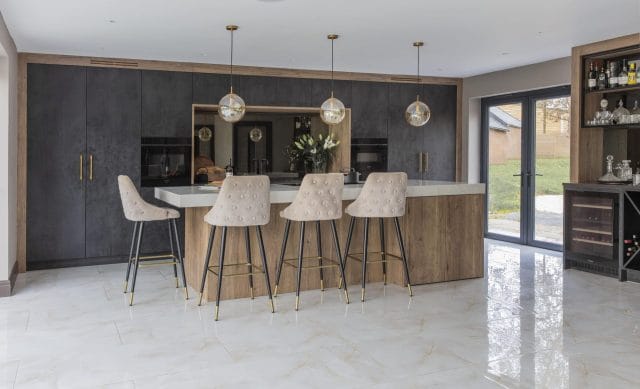
What Do We Actually Mean by Classic and Contemporary?
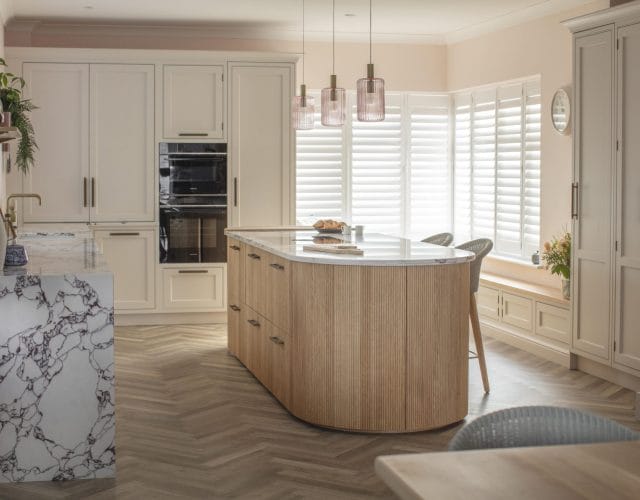
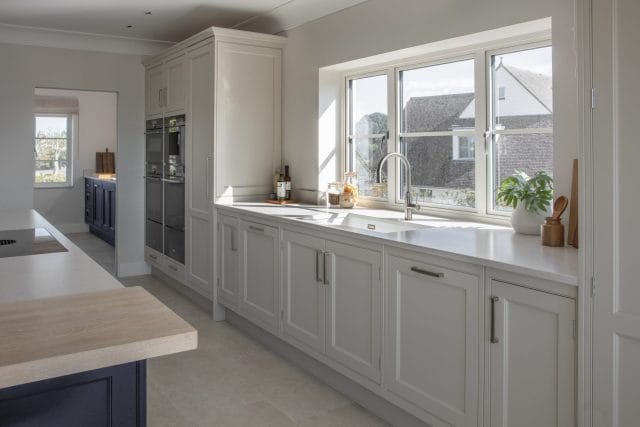
The terms are used loosely, so it is worth being precise. A classic kitchen, sometimes called traditional, typically features framed or shaker-style cabinetry, decorative detailing, warm materials such as painted timber, natural stone or aged brass hardware, and a palette that draws on heritage colours. It feels crafted and considered, with a sense of permanence.
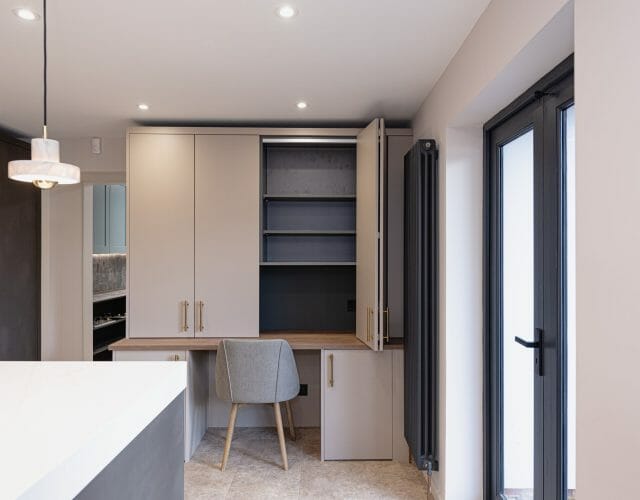
A contemporary kitchen tends toward cleaner lines, handleless or minimal-profile cabinetry, a more restrained palette, and materials like matt lacquer, porcelain, or steel. It feels precise and architectural. You can explore examples of both in the Ashley Jay portfolio, including our classic kitchen range and contemporary kitchen range.
Let the Architecture of Your Home Lead
The most reliable starting point for any style decision is the building itself. A Victorian terrace with high ceilings, deep skirtings and period cornicing will almost always carry a classic kitchen more convincingly than a contemporary one, not because contemporary kitchens cannot work in period homes, but because the contrast requires very careful handling to feel intentional rather than jarring.
Equally, a new-build or recently extended home with clean lines and large glazed openings will often suit a contemporary kitchen naturally. The architecture gives you a brief. A good designer will read that brief and work within it, while making the result feel genuinely yours rather than generic.
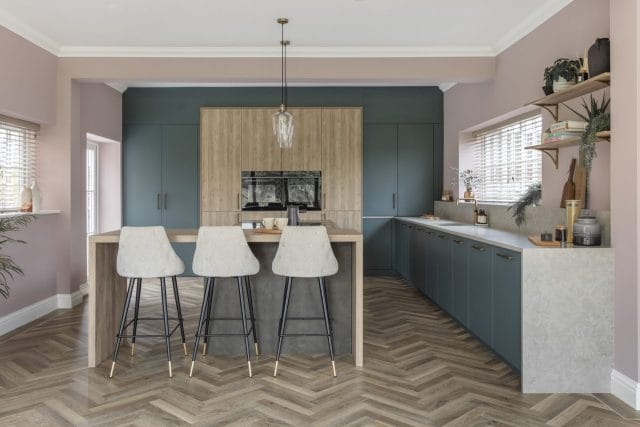
Think About Longevity, Not Just Current Taste
Trends move. What feels fresh and modern today may look dated in five years. This is not an argument against contemporary design, it is an argument for making decisions based on quality and proportion rather than trend.
The kitchens that age best, regardless of style, are the ones where every decision was made thoughtfully. A shaker kitchen in a well-judged colour with quality hardware and a beautiful stone worktop will look as considered in twenty years as it does on day one. A contemporary kitchen built on well-proportioned cabinetry and timeless materials will do the same. What dates is not the style itself, it is the shortcuts. Our philosophy is straightforward: do it right, do it once.
The Hybrid Approach
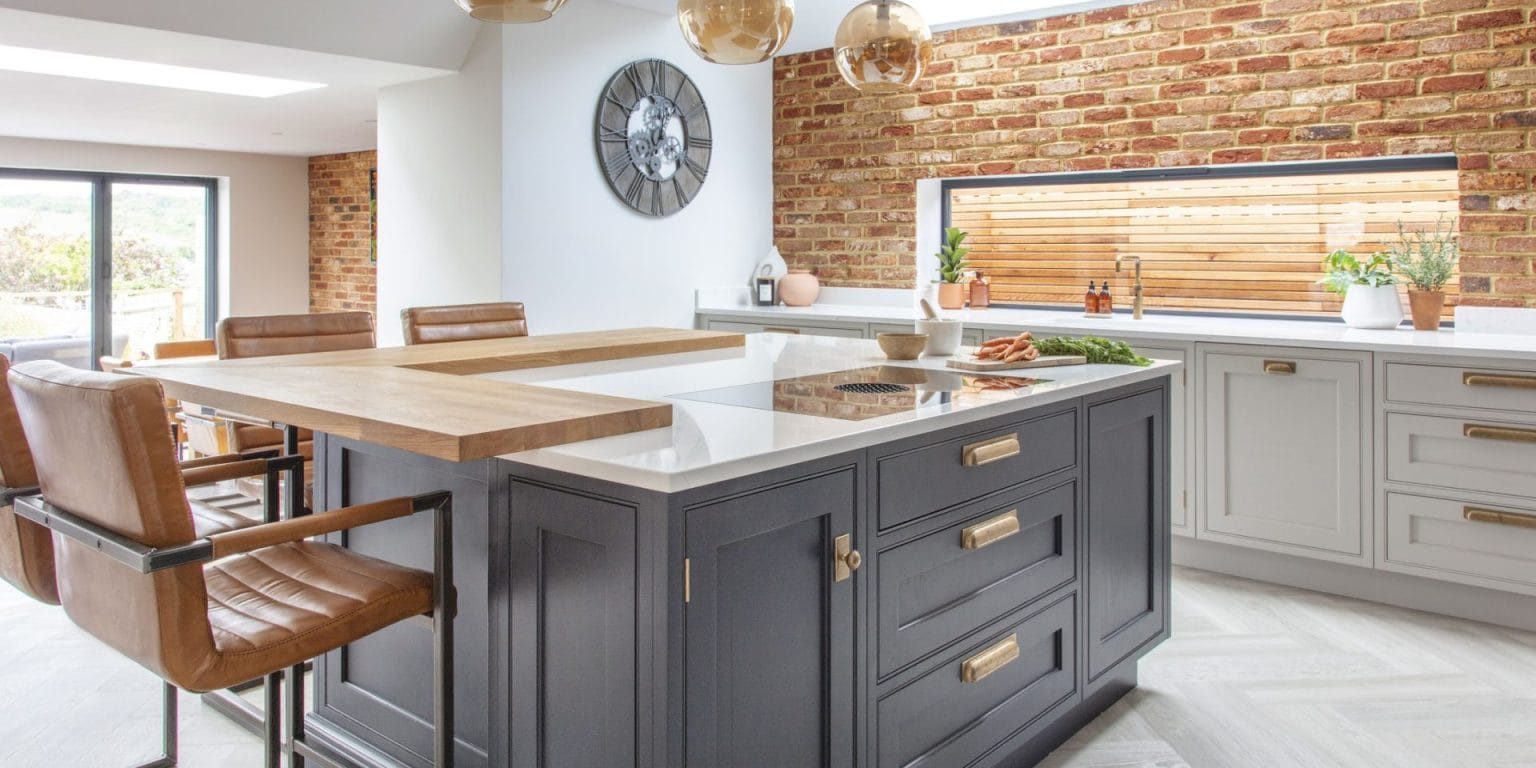
In practice, many of the most successful kitchens sit between the two definitions. A largely contemporary kitchen with a run of open shelving in warm oak and aged brass tap fittings. A classic shaker kitchen with handleless wall units and a more restrained palette. These hybrid approaches work well when they are handled with intention, when there is a clear logic to the mix rather than a collision of references.
This is where working with a designer who has genuine range matters. A designer who is comfortable only in one aesthetic will nudge every brief in that direction. A designer who can work across styles will help you find the version that is genuinely right for your home. If you would like to explore what that looks like for your project, get in touch with the Ashley Jay team.
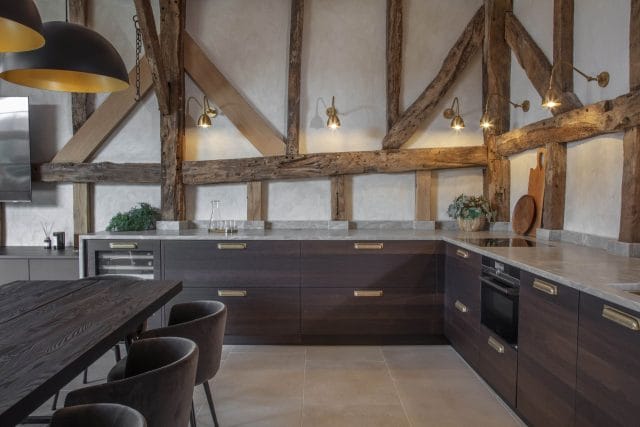
Trust the Designer, Not Just the Mood Board
Instagram and Pinterest are genuinely useful for gathering inspiration, but they have limits. Images are curated, lit by professionals, and often staged. A kitchen that looks extraordinary in a wide-angle lifestyle photograph may have very little in common with the space you are working with.
The best use of a mood board is as a starting point for a conversation with your designer, a way of communicating the feeling you are after, rather than a specification to be replicated. A good designer will take that feeling seriously and translate it into something that works within your actual home, your actual budget, and your actual life.
Frequently Asked Questions
Can a contemporary kitchen work in a period property?
Yes, but it requires careful handling. The contrast between clean contemporary cabinetry and period architectural features can work beautifully when it is deliberate and well-proportioned. The risk is in the details, if the contemporary elements look cheap or clinical against the warmth of a Victorian or Edwardian home, the contrast becomes a clash. Quality and proportion are everything.
Are classic kitchens more expensive than contemporary ones?
Not necessarily. Both styles can be produced at a range of price points depending on the quality of materials and the specification involved. In general, the cost of a kitchen reflects the quality of the cabinetry, the materials chosen, and the complexity of the installation, not the style itself.
How do I know which style will stand the test of time?
The kitchens that age best are the ones where the decisions were made based on quality and proportion rather than trend. A well-specified kitchen in either style, with good materials, considered hardware, and a palette that is not chasing the moment, will still feel right in twenty years.
What if I like elements of both styles?
A hybrid approach can work very well, provided it is handled with intention. The key is to have a clear logic behind the mix, to know why certain elements are classic and why others are more contemporary, rather than combining them at random. This is exactly the kind of conversation we have with clients during the design process.
How does Ashley Jay Kitchens approach style decisions?
We start with the home and how our clients live, rather than with a preferred aesthetic. We are comfortable designing across classic, contemporary and hybrid styles, and we will always challenge a brief if we believe a different approach will serve the space better. The goal is always a kitchen that feels genuinely right for the home, not one that follows a template.